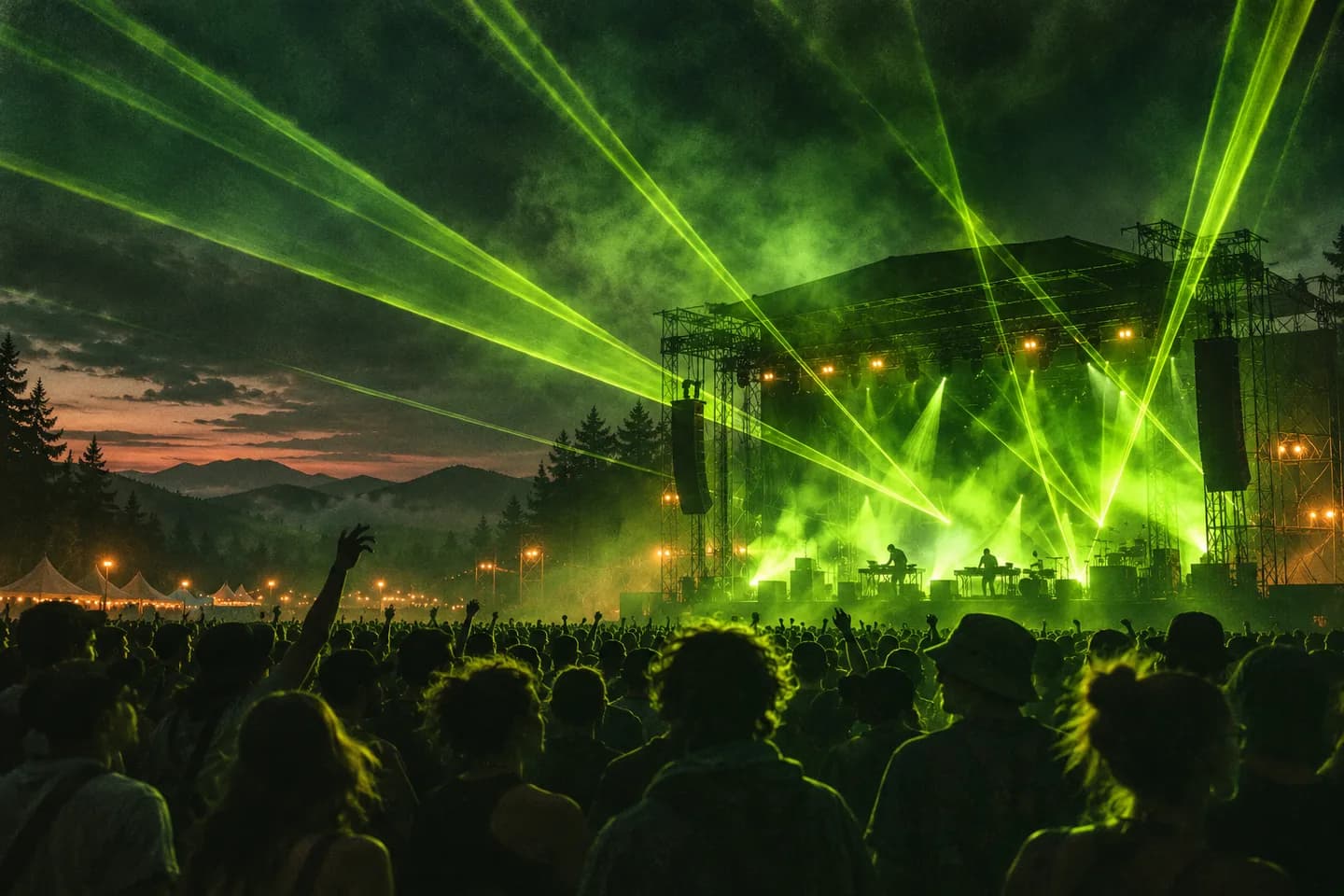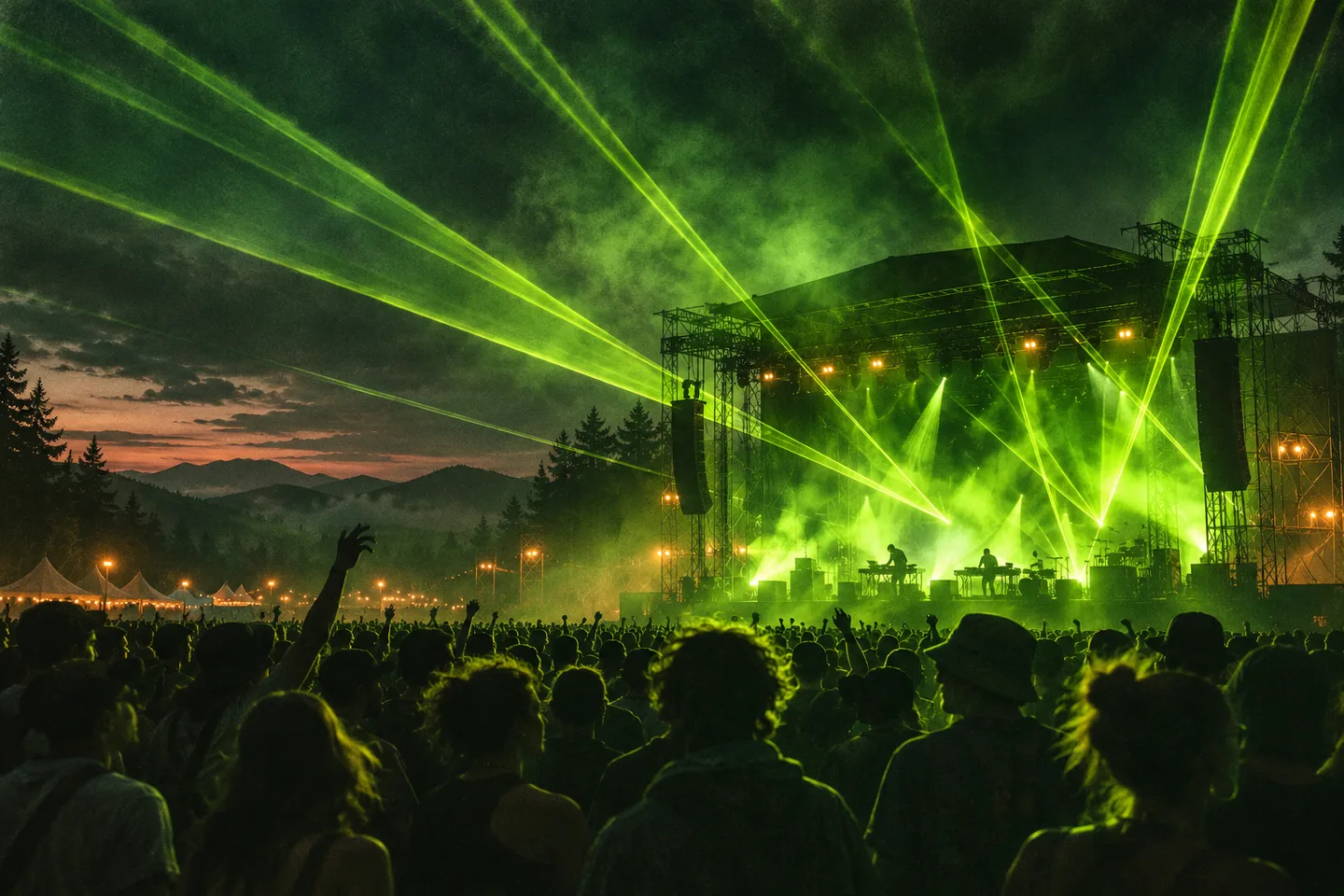
A festival lineup announcement is often the point where a group chat turns from "maybe" into actual planning. It's worth getting excited about. It's also worth reading carefully, because a poster answers one question well (who has been booked) and leaves several others open. Here is how to tell the two apart before you buy flights or start a must-see list.
What the announcement confirms
At its core, a lineup announcement is a list of booked acts for a particular edition of a festival. That is useful. It tells you whether the artists you follow are part of the plan and gives you a feel for the event's musical direction that year. What it doesn't give you is a performance timetable. Booked acts are not performance times. The day, stage and slot usually come later in a separate schedule, so any clash you think you've found on a poster is only a guess until that timetable is published.
Phase one is a chapter, not the book
A lot of festivals release their lineups in phases. If a poster says "phase one" or "first wave," treat it as a partial list. It isn't necessarily the full lineup. An artist you hoped for who isn't on it hasn't been ruled out, and an act on it doesn't tell you how the rest of the bill will look. If one specific booking decides whether you go, wait for the organizer to say the lineup is complete, or plan around the acts you know are confirmed.
What b2b, live and DJ set actually mean
Electronic lineups often come with labels attached. "A b2b B" means the artists are billed to share a set, trading off on the decks. "Live" and "DJ set" separate a performance built from an artist's own production setup from a set of selected and mixed tracks. These labels describe how the act is billed. They don't promise particular songs. A live billing doesn't mean you'll hear a certain album played start to finish, and a DJ set might include the artist's own tracks or none at all. The poster tells you the format. Only the set itself tells you the tracklist.
Poster position is not set length
Font size and row order show how the organizer chose to present the bill. They don't tell you how long anyone plays. A name near the bottom could get an extended slot on a smaller stage, and a headliner-sized name could play a standard set. Use the poster to see what the bill emphasizes, then use the timetable for duration and timing.
Check the edition and the organizer
Lineup graphics get screenshotted, cropped and reposted, and an old poster can circulate long after its year has passed. Before you plan anything, confirm the announcement belongs to the current edition and comes from the organizer's own channels. For example, go straight to the official Ultra Music Festival site instead of relying on a repost. This matters most with promoters that run several branded events. Insomniac's Our World events page is a primary source for telling one branded event apart from another, so you know which festival a lineup actually belongs to.
A quick reading checklist
-
Note the edition year and dates printed on the official announcement, not on a repost.
-
Look for phase wording and assume more names may come.
-
Read b2b, live and DJ labels as format, not song content.
-
Hold off on clash planning until the official timetable is out.
-
Cross-check dates and the official destination in the FestGeek festival directory, which shows when each listing was last reviewed.
Read this way, a lineup announcement is a good place to start planning. It just isn't the whole plan.